
Big Ideas, Real Impact.
A different way to use land, design homes and create small-scale communities.
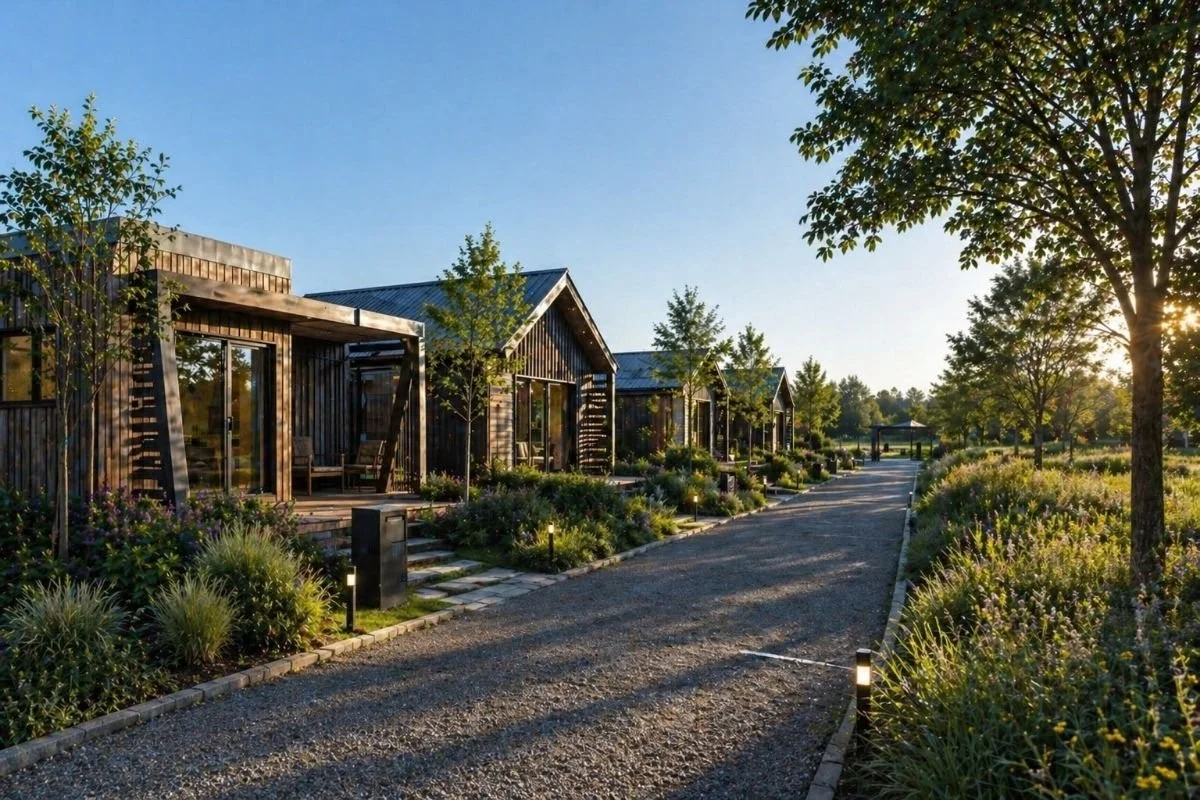
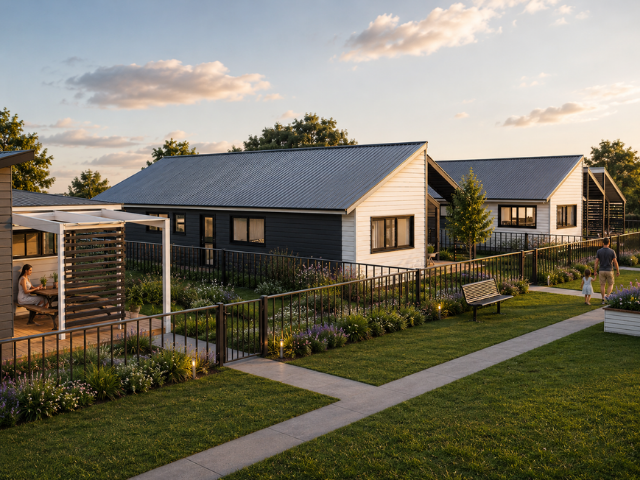
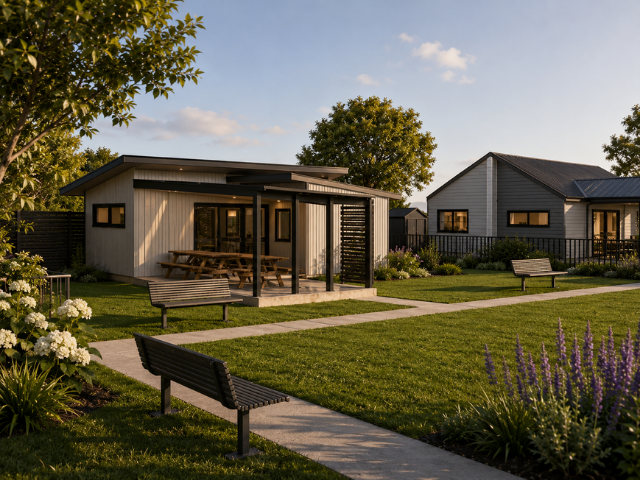
The RotoSpace Micro-Community explores how the same efficient, flexible home design system can be applied across an entire site.
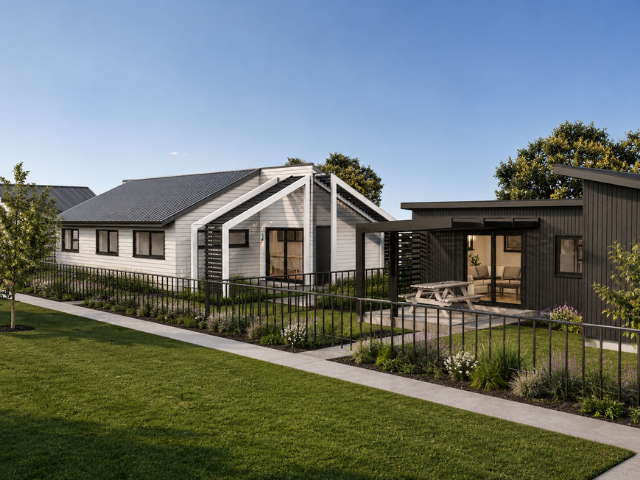
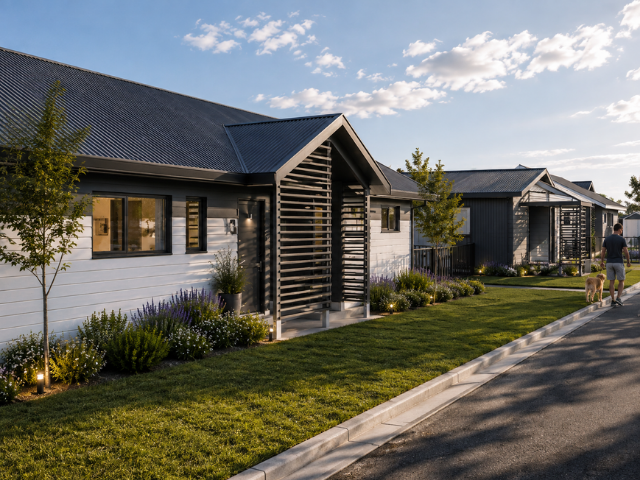
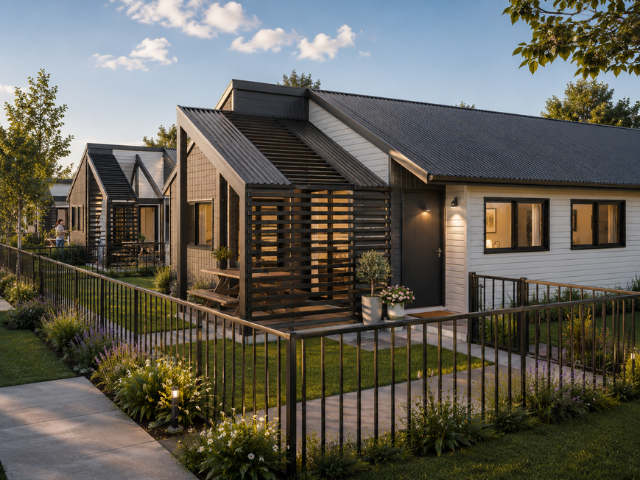
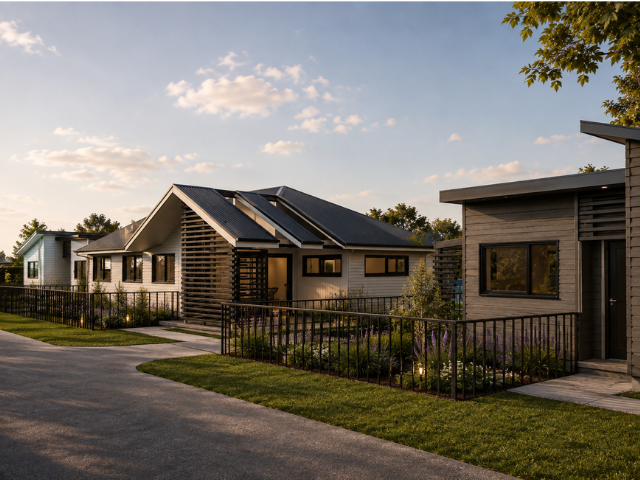
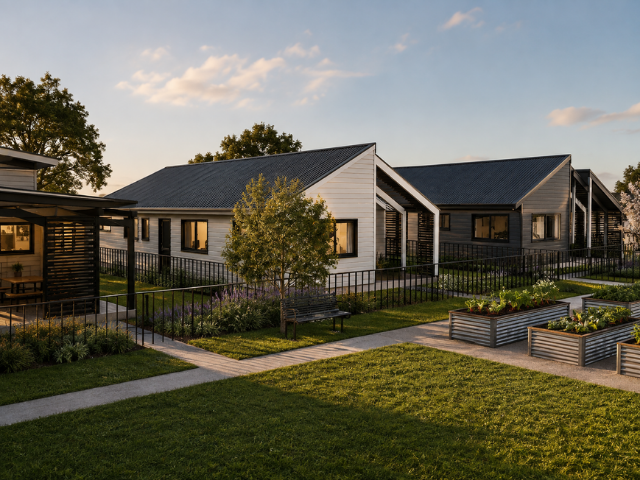
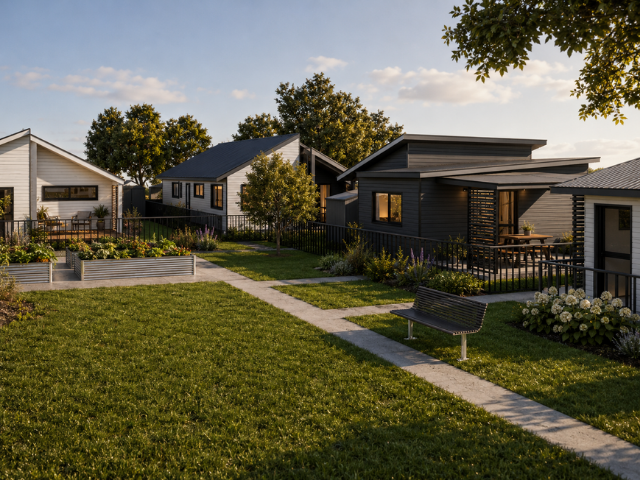
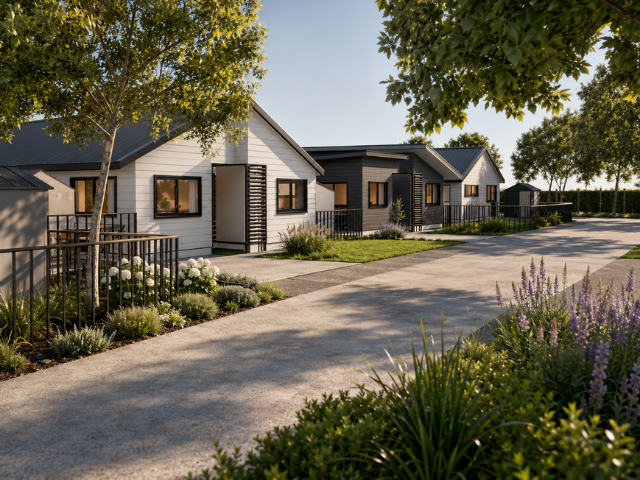
Instead of dividing land into large individual sections, a small number of well-designed homes are arranged around shared green space — with each household still having its own home, privacy and private outdoor area.
The aim is not to create a “tiny house village”.
It is to explore how thoughtful site planning, compact homes and shared land can create a better balance between affordability, independence and community.
The Concept
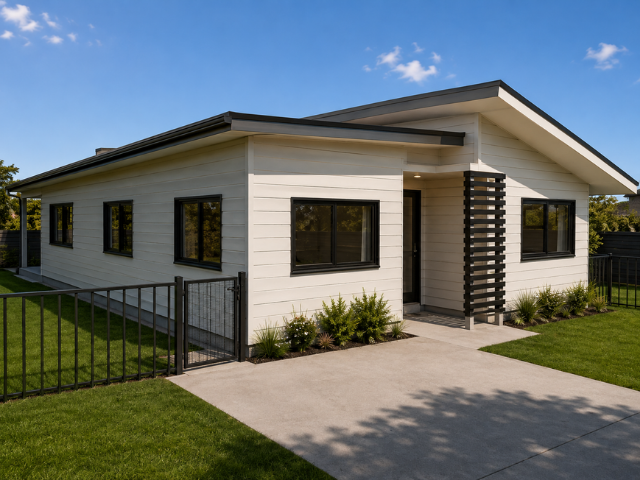
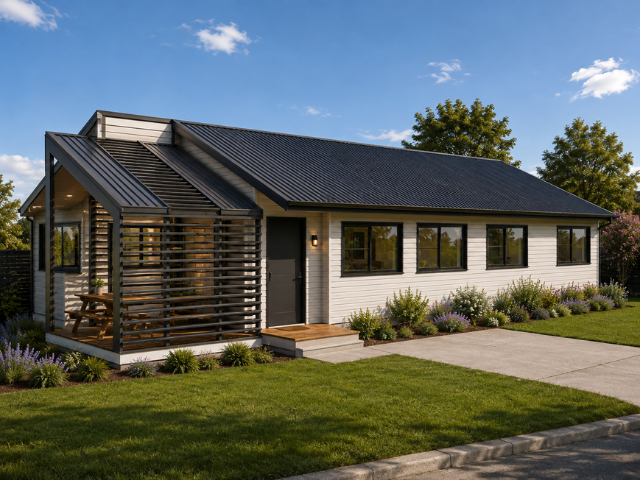
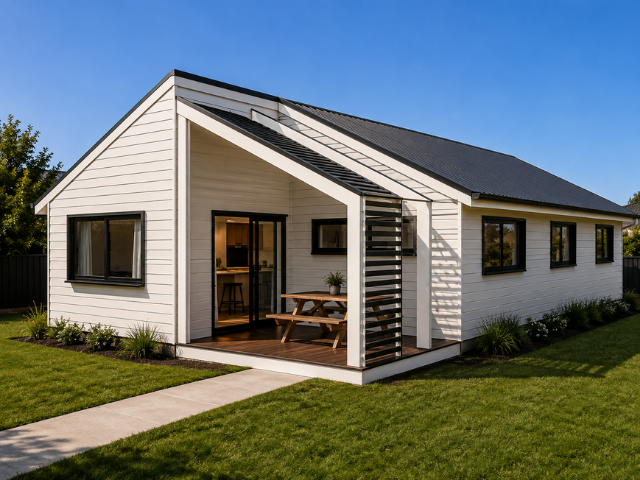
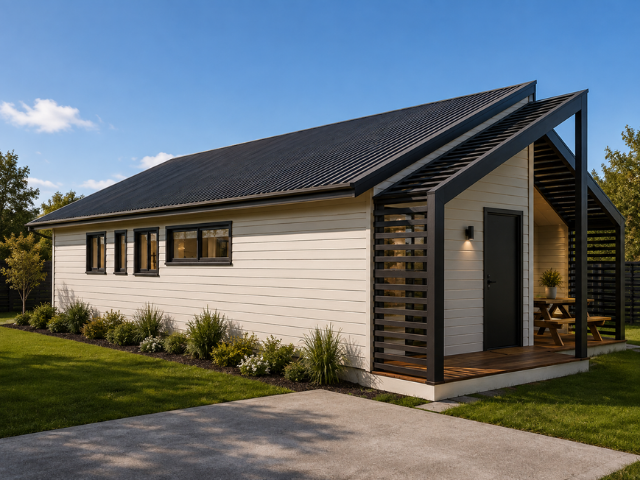
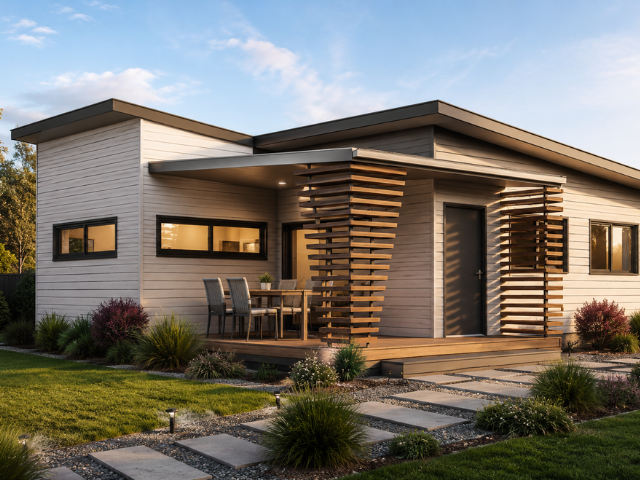
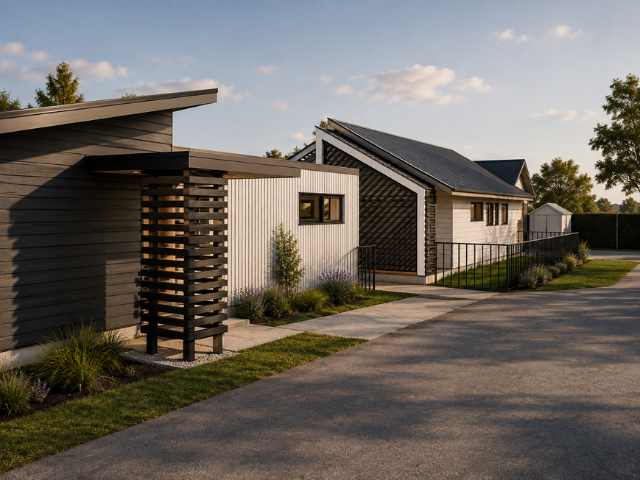
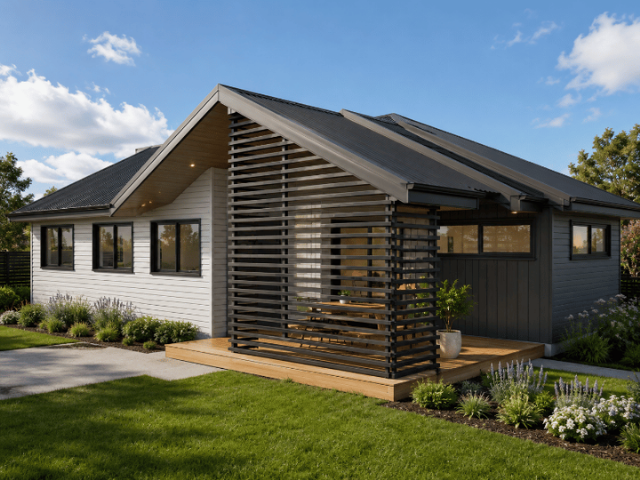
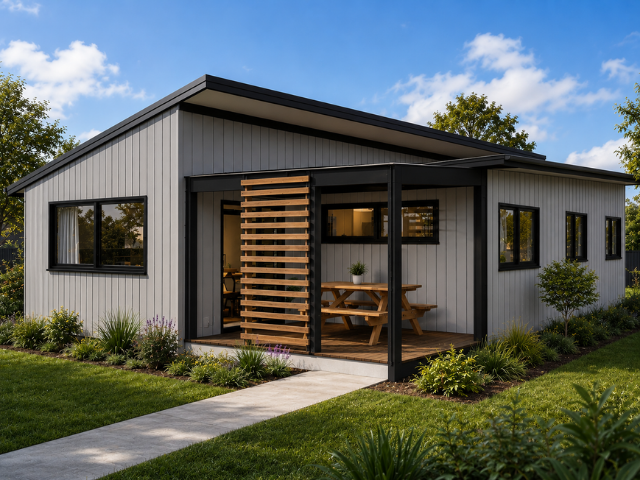
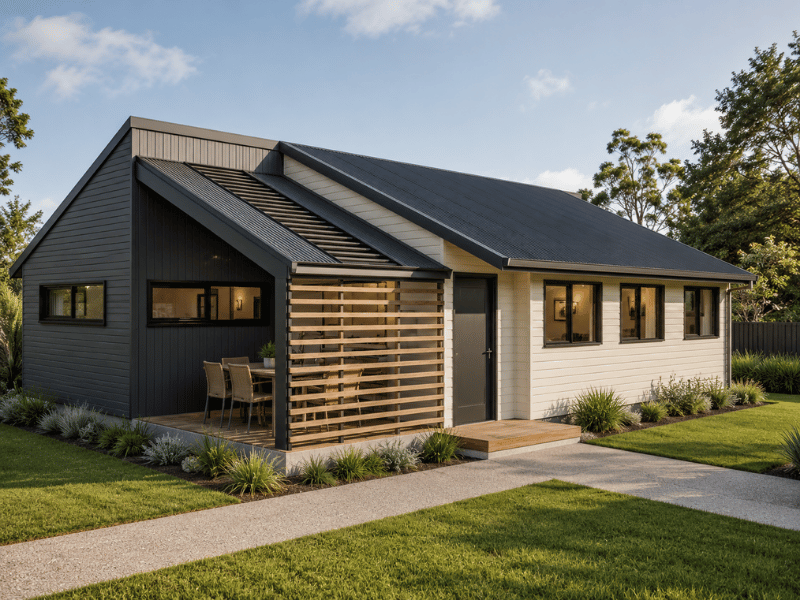
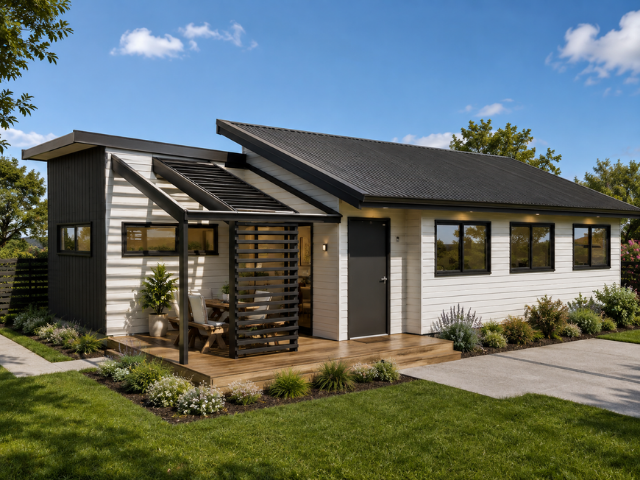
Each home has its own identity, private outdoor living and sense of ownership, while larger areas of land and amenity can be shared.
This creates a balance between connection and independence — shared space when you want it, and your own space when you don’t.
The approach allows for:
Better use of land without making the site feel crowded
Smaller, well-designed homes rather than unnecessary floor area
Generous shared green space
Private outdoor areas for each household
A mix of household sizes and stages of life
Opportunities for shared facilities and infrastructure
The result is not about squeezing more houses onto a site.
It is about using the whole site more intelligently.
Designed around the site
There is no single site shape or size that defines a RotoSpace Micro-Community.
The number of homes, their arrangement and the amount of shared space would be developed in response to:
Planning rules
Site shape and orientation
Vehicle access
Infrastructure and servicing
Topography
Privacy and outlook
The mix of households
The amount and type of shared space desired
A typical concept may include around 8–12 homes, but the model is intended to be adaptable rather than prescriptive.
A different approach to affordability
The concept explores affordability by looking at where money is actually being spent.
Rather than relying on very small houses or lower-quality construction, potential savings can come from:
Sharing the cost of land across more households
Building only the floor area each household needs
Using simple, repeatable building forms
Sharing some infrastructure and amenities
Planning homes efficiently from the outset
Allowing homes to grow over time where appropriate
The aim is not simply to make housing cheaper.
It is to create better value from the land, the building and every square metre of the home.
Different homes for different lives
A micro-community works best when it can accommodate different types of households rather than repeating the same house across the site.
A RotoSpace community could include a mix of:
Compact 1-bedroom homes
2-bedroom homes
Flexible 2-to-3-bedroom homes
3-bedroom family homes
Larger 4-bedroom homes
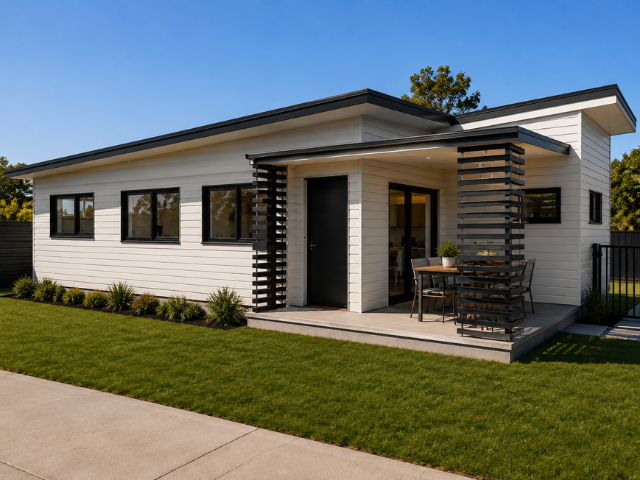
The same underlying design principles can be applied across the range — efficient layouts, minimal wasted circulation, good indoor-outdoor connection and the ability to adapt homes as needs change.
The homes can share a common design language without all looking the same.
Design Approach
The homes are designed using compact planning principles:
efficient layouts with minimal wasted space
shared or overlapping functions where appropriate
simple building forms to reduce construction cost
indoor-outdoor connection
Typical Community Layout
Approx. 8–12 homes per site
Homes arranged around a shared central green space
Simple access and infrastructure layout
This creates a balance between:
individual ownership
and shared amenity
Start with what you need now
Not every household needs to build its maximum-sized home on day one.
Where the site allows, homes can be planned with future expansion in mind — allowing a household to begin with a smaller footprint and add space later as family needs or finances change.
That could mean starting with two bedrooms and adding a third in the future, rather than paying for space before it is needed.
Planning for that possibility from the beginning makes future change much easier.
The bigger goal
To create a repeatable small-scale housing model that can be adapted to different sites, communities and household needs.
A model where:
Land is used more intelligently
Homes are thoughtfully designed rather than unnecessarily large
People can retain privacy and independence
Shared space actually adds value
Homes can adapt as lives change
Good design contributes to affordability rather than being treated as a luxury
Where the project is now
The RotoSpace Micro-Community is currently at concept and partnership stage.
Work completed to date includes:
Development of the overall housing model
A range of compact and flexible home layouts
Multi-home site planning studies
Shared-space and circulation concepts
Investigation into alternative ownership and development models
The next step is to identify the right site and delivery partners for a pilot project.
From design concept to delivery model
The design framework is established. The next challenge is finding the right pathway to deliver it.
RotoSpace is currently exploring:
Partnerships with landowners and developers
Small-scale pilot developments
Alternative ownership and co-ownership structures
Prefabricated or panelised construction systems
Staged development
Collaboration with housing organisations and community housing providers
The exact model will depend on the site, project partners and feasibility.
Interested in helping make it real?
RotoSpace is looking to connect with people and organisations interested in exploring a pilot micro-community.
That could include:
Landowners with a potentially suitable site
Developers interested in alternative small-scale housing
Housing organisations and community housing providers
Consultants and construction partners
Investors or project collaborators
People interested in eventually living in a RotoSpace community
If the idea aligns with something you're working on, I’d love to hear from you.
Interested in the RotoSpace Micro-Community?
If you'd like to be involved, collaborate on a pilot project, or simply stay in the loop as the concept develops, leave your details below.